

In today’s digital age, having a well-designed website is crucial for the success of any business. It serves as the online face of your company, allowing you to reach a wider audience and showcase your products or services. However, working with design agencies can be a daunting task, especially if you are not familiar with the process.

Crafting an Engaging User Experience for Web Design Proposals
In today’s digital age, crafting an engaging user experience is paramount for successful web design proposals. User experience (UX) plays a crucial role in determining the success or […]
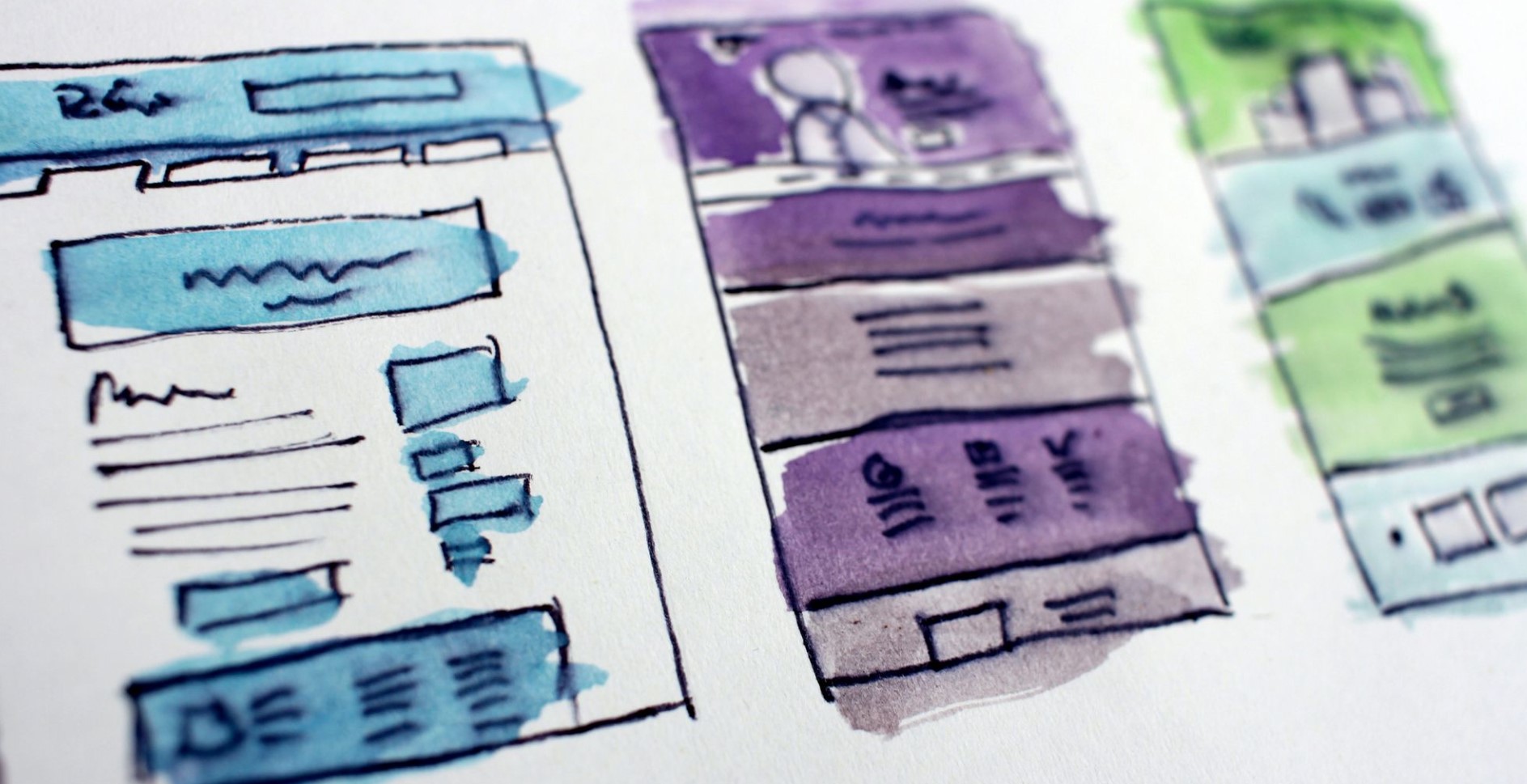
Exploring the Impact of Scrollytelling on Modern Web Design and UX Design Strategies
In today’s digital age, where attention spans are shorter than ever, web designers and UX professionals are constantly seeking innovative ways to engage users and create memorable experiences. […]
An Overview of Different Scrollytelling Techniques
In this section, we will introduce the concept of scrollytelling and its significance in web design. We will discuss how scrollytelling can enhance user engagement and provide a […]

Crafting the Perfect Scrollytelling Experience For Your Users
In today’s digital landscape, storytelling has evolved beyond traditional forms of communication. With the rise of scrollytelling, content creators now have a powerful tool at their disposal to […]

The Benefits of Using Scrollytelling for Visual Storytelling
In today’s digital age, visual storytelling has become an integral part of engaging and captivating audiences. One of the emerging techniques in this realm is scrollytelling, which combines […]

How Technology is Revolutionizing Scrollytelling
In today’s digital age, storytelling has taken on a whole new dimension with the advent of technology. Scrollytelling, a modern form of storytelling that combines interactive scrolling and […]